
In our last step, we learned that a derivative is a smart contract that tracks the price of something else (like Bitcoin), saving you the hassle of buying and storing the real thing.
An Option is a very specific, powerful type of derivative. It gives the buyer the right to trade an asset at a locked-in price on a specific date in the future. The most important thing to remember is that the buyer is never forced to make the trade. They have the option to do it, which is exactly why it is called an "option contract."
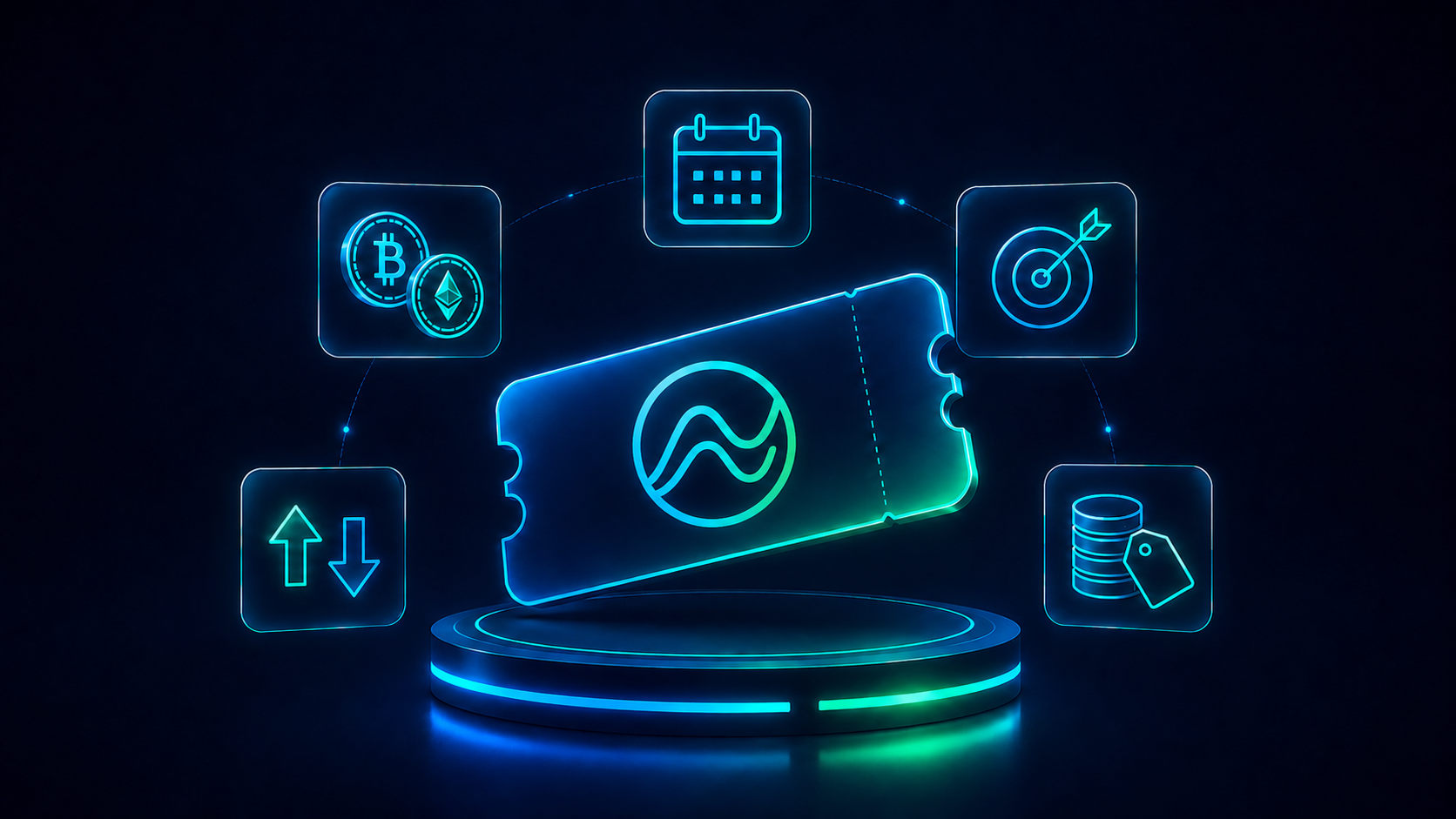
When you look at an option on ClickOptions, you are going to see five main pieces to the puzzle. The 5 Parts of Every Option
1. The Underlying Asset: The underlying asset is the actual item the contract is tracking, in our case, on ClickOptions, cryptocurrencies like Bitcoin (BTC) or Ethereum (ETH). To know exactly what that asset is worth at any given second, we look at its index price. Think of the index price as the official, real-time price tag of the underlying asset.
2. The Option Type: There are only two types of options in the world, Calls and Puts.
A Call option gives you the right to buy the asset.
A Put option gives you the right to sell the asset.
3. The Expiry Date: This is the deadline. It is the exact date the contract expires and the day you decide if you want to use your right to buy or sell.
4. The Strike Price: This is your locked-in target price. For a Call, it is the price you get to buy at. For a Put, it is the price you get to sell at.
5. The Option Price (The Premium): This is the fee you pay upfront to buy the contract. It is the cost of your "ticket."
Understanding the Two Sides: Buyers vs. Sellers
For every trade, there is a buyer and a seller. It is crucial to understand how they interact. We will dive deep into this later, but here is the cheat sheet:
• Buying a Call: You are purchasing the right to buy Bitcoin at the Strike Price.
• Selling a Call: The person on the other side of your trade is the seller. Because they took your upfront fee (the Premium), they now have an obligation (they are forced) to sell you the Bitcoin at the Strike Price if you ask them to.
• Buying a Put: You are purchasing the right to sell Bitcoin at the Strike Price.
• Selling a Put: The seller on the other side takes your fee and now has an obligation to buy that Bitcoin from you at the Strike Price if you ask them to.
A Quick Note on "Puts": Put options usually confuse new traders because the buyer of a Put is actually betting that the price of Bitcoin will drop. Put options increase in value when the market goes down! Think of a Put like car insurance. If you crash your car (the value goes down), your insurance contract suddenly becomes very valuable because it pays you money.
How to Read the Code on ClickOptions
When you log into ClickOptions, you won't see long paragraphs. Instead, you will see a shorthand code that looks like this:
Underlying Asset – Expiry Date – Strike Price – Option Type
Let's look at what this looks like in the real world today in 2026.
Example 1: The Call Option Imagine you see a contract written like this:
BTC – 25DEC26 – 85000 – C
Here is how to decode it: The asset is Bitcoin (BTC), the Expiry Date is Christmas Day, 2026 (25DEC26), the Strike Price is $85,000, and it is a Call option (C).
• What it means: The buyer of this contract is paying a small fee today for the right to buy Bitcoin for exactly $85,000 on December 25th, 2026, no matter how high the actual price of Bitcoin goes by then!
Example 2: The Put Option Now imagine you see this contract:
BTC – 26JUN26 – 65000 – P
Here is the translation: The asset is Bitcoin (BTC), the Expiry Date is June 26th, 2026 (26JUN26), the Strike Price is $65,000, and it is a Put option (P).
• What it means: The buyer of this contract is paying a fee today for the right to sell Bitcoin for exactly $65,000 on June 26th, 2026. If the entire crypto market crashes and
Bitcoin drops to $40,000, this trader is safe because they still get to sell theirs for $65,000.
The final piece, the Premium (what these contracts actually cost to buy), will be clearly displayed on your ClickOptions trading screen.